Stop CCS — Protect Our Coasts
Plans are underway to inject CO₂ beneath UK seas — putting fisheries, aquifers, and protected habitats at risk for generations.
Tip: Subscribe on the blog page to receive updates and action alerts.
Start here
Three quick ways to get up to speed and take action.
1) Read the latest
Short updates and local analysis.
2) Understand CCS
Capture → Transport → Storage in plain English.
3) Take action
Sign the petition and share it locally.
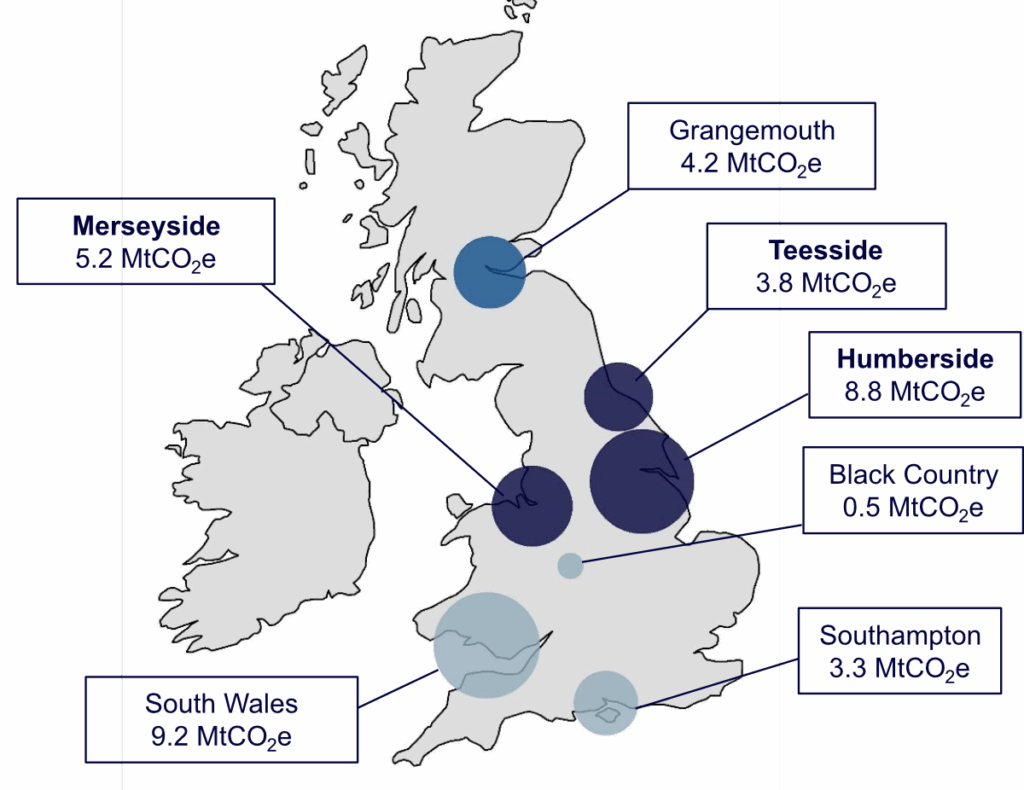
Across all our seas
Carbon Capture and Storage (CCS) is not a single project — it is a nationwide plan to inject CO₂ under the seabed at multiple sites.
Liverpool Bay / HyNet
Large-scale offshore injection planned beneath sensitive coastal environments.
Peak Cluster / Wirral
Proposed CO₂ pipeline network using the Wirral as a hub to send CO₂ offshore.
Teesside
Major CCUS proposals with significant infrastructure and long-term monitoring questions.
Viking (Humber)
Another fragile estuary and coastal zone targeted for large-scale CO₂ storage.
Bottom line: as more sites are proposed, the cumulative risk to coastal ecosystems and communities increases.
What is CCS?
Carbon Capture and Storage (sometimes called carbon capture and sequestration) captures CO₂ from industrial processes before it is released into the atmosphere. The CO₂ is then transported—usually by pipeline—to an injection well, where it is pumped into deep underground geological formations for long-term storage.
There are three phases:
- Capture: CO₂ is captured during industrial processes.
- Transport (and preparation): CO₂ is cleaned and compressed into a dense or supercritical stream, then pumped at very high pressures to the storage location.
- Storage: CO₂ is injected into geological formations deemed “suitable,” such as depleted gas reservoirs (e.g., the Hamilton field in Liverpool Bay), and monitored over time.
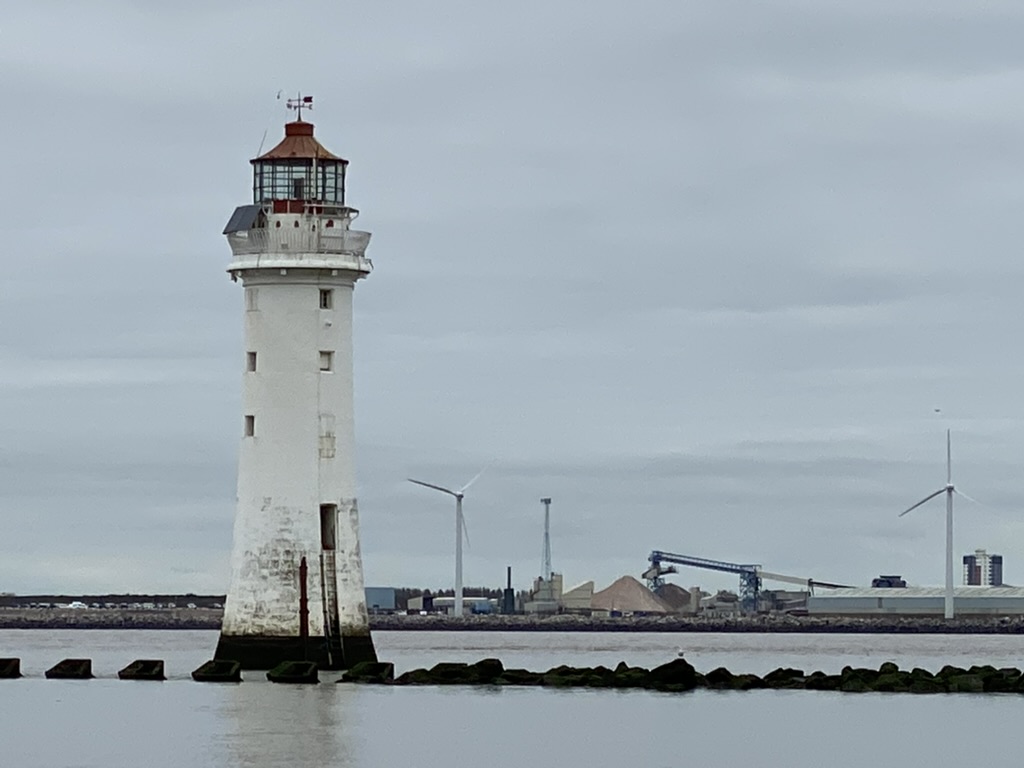
Don’t allow UK seas to become a dumping ground for industrial CO₂ waste.
Why we say no to CCS
The claims below are the reasons this campaign exists.
- Scale: multiple UK regions plan offshore injection at massive scale.
- Forever risk: once injected, CO₂ must remain contained indefinitely.
- Impurities: industrial CO₂ streams can contain impurities that may increase corrosion and chemical reactions.
- Leak consequences: potential impacts to marine life and sensitive habitats.
- Pipeline behaviour: dense-phase CO₂ rupture behaviour differs from natural gas and requires specialist standards.
- Value for money: UK watchdogs have raised concerns about costs and uncertainty.
Sources: EU CCS Directive; NAO CCUS report; IEAGHG impurities studies; CO₂–brine/rock interaction literature; US PHMSA guidance.
Want to know more?
Read the blog for local updates, explainers, and campaign actions.
Take action
Sign the petition and share it with local groups and councillors.
This site is managed by the owner and reflects personal views.